
Split System Air Conditioning Installation, Repair & Maintenance Specialists
Mt Barker Electrics, located in Mt Barker, WA, provides professional domestic split system air conditioning electrical installation, upgrades, servicing, and compliance testing to ensure safe, energy-efficient, and long-lasting climate control solutions for local homes.
How Split System Air Conditioning Works & Why Electrical Installation Matters
Split system air conditioners are designed to deliver targeted heating and cooling without the need for extensive ductwork. These systems consist of an indoor head unit that distributes conditioned air and an outdoor condenser unit that removes or releases heat. While the refrigeration components are essential, the electrical infrastructure behind the system plays an equally important role in ensuring safe and consistent operation.
Every split system relies on a stable voltage supply, correctly rated circuit protection and secure wiring connections. Without proper electrical configuration, even a high-quality air conditioning unit may underperform or experience premature failure. Incorrectly sized cables can overheat, overloaded circuits can trip repeatedly, and poor connections may cause voltage drops that reduce efficiency.
Mt Barker Electrics carefully assesses each property before installation. This includes reviewing switchboard capacity, identifying whether a dedicated circuit is required, and confirming that safety switches provide adequate protection. Many modern systems require their own circuit to comply with electrical standards and manufacturer specifications.
Dedicated Circuits, Switchboards & Load Management
When installing a domestic split system, load calculations are performed to determine how the additional demand will impact your existing electrical system. Homes built decades ago may not have been designed to support multiple high-load appliances operating simultaneously. Air conditioning units, particularly larger capacity systems, can draw significant current during startup.
If necessary, switchboard upgrades can be completed to improve safety and reliability. Modern switchboards incorporate residual current devices and correctly rated circuit breakers to reduce the risk of electrical faults. Proper labelling and clear circuit allocation also make future maintenance safer and more efficient.
Load balancing is especially important in properties with multiple appliances such as electric ovens, hot water systems and pool pumps. Ensuring the air conditioning system integrates smoothly with existing infrastructure helps prevent nuisance tripping and unexpected interruptions.
System Placement, Airflow & Environmental Considerations
Electrical installation goes hand in hand with strategic placement of both indoor and outdoor units. Indoor units should be positioned to allow unrestricted airflow while maintaining adequate clearance from ceilings and walls. Poor placement can create uneven temperature distribution and increase energy consumption.
Outdoor condensers must be mounted securely and installed in locations with sufficient ventilation. Restricted airflow around the outdoor unit can reduce system efficiency and place additional strain on electrical components. Weather protection measures such as UV-resistant conduit and sealed isolators are used to protect cabling from environmental exposure.
In coastal or high-moisture environments, corrosion-resistant materials are particularly important. Selecting suitable mounting hardware and protective fittings supports long-term durability.
Air Conditioning Maintenance, Servicing & Electrical Fault Diagnosis
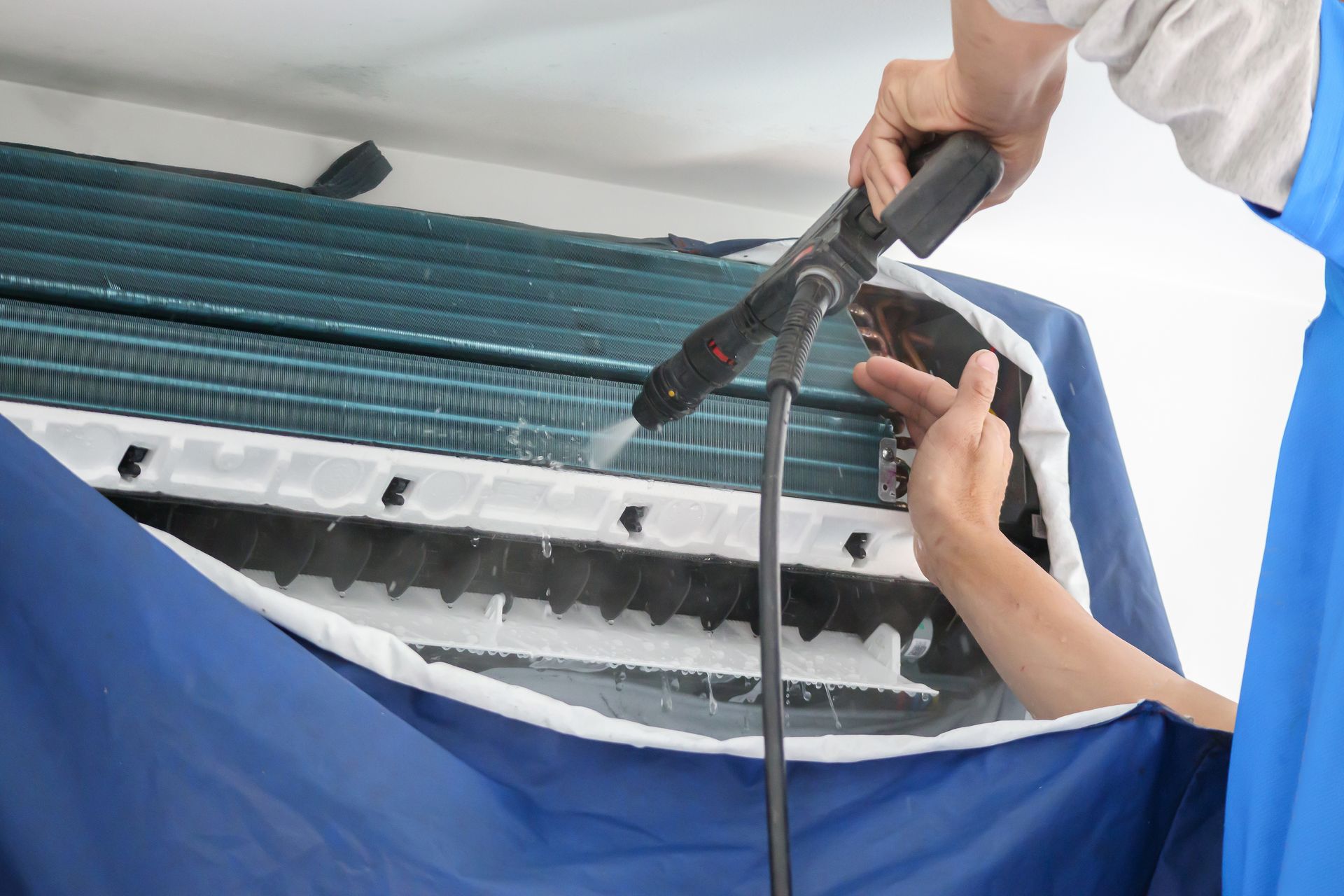
Even high-quality systems require routine servicing to maintain peak performance. Over time, vibration can loosen terminals, and environmental exposure can degrade insulation. Electrical inspections help identify early warning signs such as discoloured wiring, overheating isolators or deteriorating protective devices.
If an air conditioner begins to trip the circuit breaker, produce inconsistent cooling or shut down unexpectedly, electrical faults may be contributing factors. Diagnostic testing can identify issues such as capacitor failure, damaged supply cables or switchboard imbalance.
Preventative servicing before peak summer or winter seasons reduces the likelihood of emergency breakdowns. Ensuring your system is operating within safe electrical parameters protects both the equipment and your property.
Safety Compliance & Professional Standards
All work completed by Mt Barker Electrics adheres to Australian electrical safety standards. This includes testing earth continuity, verifying insulation resistance and confirming the correct operation of circuit protection devices.
Documentation of compliance provides peace of mind that the installation meets regulatory requirements.
Attempting to install or modify air conditioning wiring without proper licensing can pose serious safety risks. Professional installation ensures that both manufacturer warranty conditions and legal compliance obligations are met.
FAQs About Split System Air Conditioning
How do I determine the right-size split system for my home?
System capacity depends on room size, ceiling height, insulation and sun exposure. A professional assessment ensures appropriate sizing for efficient performance.
Will installing a split system increase my electricity bills?
Energy usage depends on system size, efficiency rating and usage habits. Inverter systems are designed to minimise consumption when correctly installed.
Can multiple split systems be installed in one home?
Yes, provided the switchboard and electrical infrastructure can safely support the additional load.
How often should electrical components be inspected?
An annual inspection is recommended, particularly before heavy seasonal use.
What signs indicate an electrical issue with my air conditioner?
Frequent breaker trips, flickering power, or inconsistent cooling may indicate electrical faults that require professional diagnosis.
Call us on (08) 9851 1436 to talk to our team about your air conditioning requirements.